My First Mobile App Development Experience
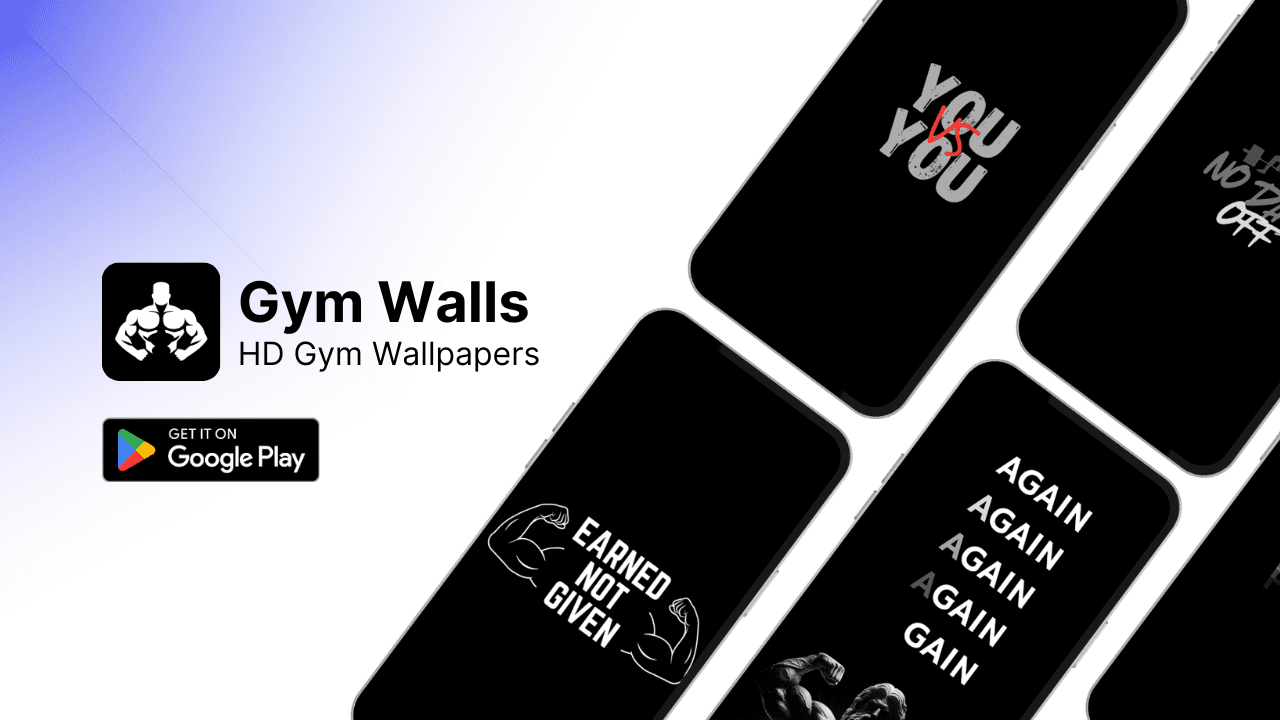
Like many developers starting out in mobile development, I wanted to build something simple, visually appealing, and functional enough to teach me real-world skills. That’s how Gymwalls was born, a mobile app that delivers high-quality gym wallpapers for fitness lovers.
It wasn’t groundbreaking, but it was mine. And it turned out to be a perfect introduction to the world of app development.
The Idea Behind Gymwalls
The inspiration came from a mix of scrolling through aesthetic gym content online and wanting to build something achievable but useful. I noticed a lot of people like keeping motivational fitness wallpapers on their phones, so I thought why not create a curated app just for that?
It was also a way for me to learn the ropes of mobile app development without diving into something overly complex. Wallpaper apps are often called the “Hello World” of mobile apps, and for good reason they’re a great way to understand the basics of UI rendering, media handling, storage, and performance.
The Stack I Used
I built Gymwalls using:
- React Native: for building cross-platform apps with a single codebase.
- Supabase: my backend of choice, handling user data and storing image info.
- Cloudinary: to store and deliver images in high quality while optimizing for performance.
Using these tools, I was able to put together an app that looks clean, loads quickly, and serves content efficiently. Along the way, I learned a lot about managing assets, performance optimization on mobile, and the quirks of React Native across different devices.
A Simple Dashboard for Admin
One thing I didn’t want to do was manage the content manually by editing the database every time I wanted to add a new wallpaper. So, I went ahead and built a basic dashboard using shadcnui.
The dashboard allows me to upload new wallpapers, set titles or tags, and push them directly into the Supabase database all with a clean interface. It made the process much smoother, and it was a good exercise in full-stack development.
What I Learned
Looking back, Gymwalls taught me more than I expected:
- Shipping > Perfection: The most important part was just getting it out there. I could’ve spent weeks tweaking animations or optimizing every image to the last byte, but launching it gave me real feedback and motivation to keep improving.
- Handling Media: Working with HD wallpapers showed me the importance of optimizing images, lazy loading, and reducing bandwidth usage all things that aren’t obvious until your app starts to slow down.
- Building with a Backend: Supabase made things easier, but managing real-time data, auth, and storage was a step up from simple static projects.
Final Thoughts
Gymwalls may be a simple wallpaper app, but for me, it was much more than that. It marked my first real dive into mobile development, my first published app, and the first time I built something end-to-end from backend to dashboard to mobile UI.
There are probably hundreds of wallpaper apps out there, but this one taught me skills I’ll carry into every future project: building fast, designing simply, and thinking about the user experience from day one.
If you’re just starting out and wondering what to build I say start small, start real, and start now. For me, it started with Gymwalls.
Try It Out
I’ve published my apps on the Google Play Store, and if you’re interested feel free to check out Gymwalls. I’d love to hear your feedback and thoughts.
Thanks for reading!